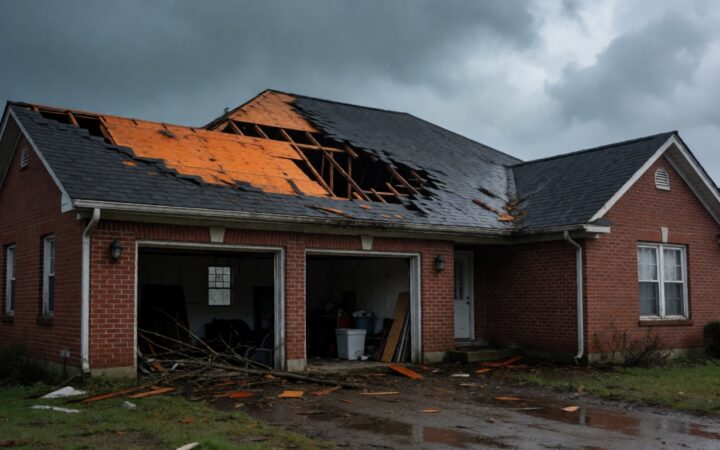
Severe weather can pass through Reading, Pennsylvania, in a matter of hours—but the roof damage it leaves behind may affect your home for weeks or months if it goes unnoticed. High winds, hail, heavy rain, and fallen branches can loosen shingles, damage flashing, clog gutters, and create openings that allow water inside.
If you suspect a problem, acting promptly can help limit further damage and give you a clearer path toward recovery. Economy Roofing PA serves homeowners and businesses in Reading, Berks County, and surrounding Pennsylvania communities. Our company provides residential and commercial roofing services and brings more than 50 years of experience to its work. Trusted storm damage roofing contractor in Berks County offers FREE estimates and a complete worksheet of your damage areas.
This guide explains how to recognize possible storm damage, what to do after severe weather, and when to contact a roofing professional.
How Severe Weather Can Damage a Roof
Storm damage isn’t always obvious from the ground. A roof may look fine from the street while shingles, flashing, or other components have been affected. The type of damage often depends on the weather and the condition of the roof before the storm.
High winds
Strong gusts can lift, crease, loosen, or tear off shingles. Wind can also affect ridge caps, roof edges, vents, and flashing around chimneys or other roof features. Missing or loosened roofing materials may expose the underlying roof to rain.
Hail
Hail can bruise or crack shingles and damage roof vents, gutters, and other exposed components. Some hail impacts may be difficult to see without a closer inspection. If hail passed through your neighborhood, it can be sensible to have a qualified roofer assess the roof rather than assuming it is unaffected.
Heavy rain
Rain may reveal damage that was already present or worsen an opening created by wind or falling debris. Water stains on ceilings or walls, damp insulation, and drips in the attic may point to a roof leak—but the visible water may appear some distance from the actual entry point.
Falling branches and debris
A branch that strikes the roof can break shingles, damage roof decking, or create a puncture. Even smaller debris can block gutters and downspouts, making it harder for water to drain away from the roof and home.
Signs Your Roof May Have Storm Damage
After severe weather, look for changes both inside and outside your home. You can check from the ground and from inside the house, but do not climb onto a wet, damaged, or steep roof. Walking on a roof can be dangerous and may cause additional damage.
Possible warning signs include:
- Shingles or roofing pieces in the yard or driveway
- Shingles that appear missing, lifted, curled, or out of place
- Bent or detached gutters, downspouts, or roof-edge components
- Dents or visible damage to roof vents, flashing, or other roof features
- Tree limbs or debris resting on the roof
- Water stains on ceilings or upper-floor walls
- Damp insulation, musty odors, or visible moisture in the attic
- Dripping water or new leaks during or after rainfall
A single sign does not always confirm roof damage, and a lack of visible signs does not guarantee that the roof is unaffected. A professional assessment can help identify damage that is difficult to spot from the ground.
What to Do After a Storm Damages Your Roof
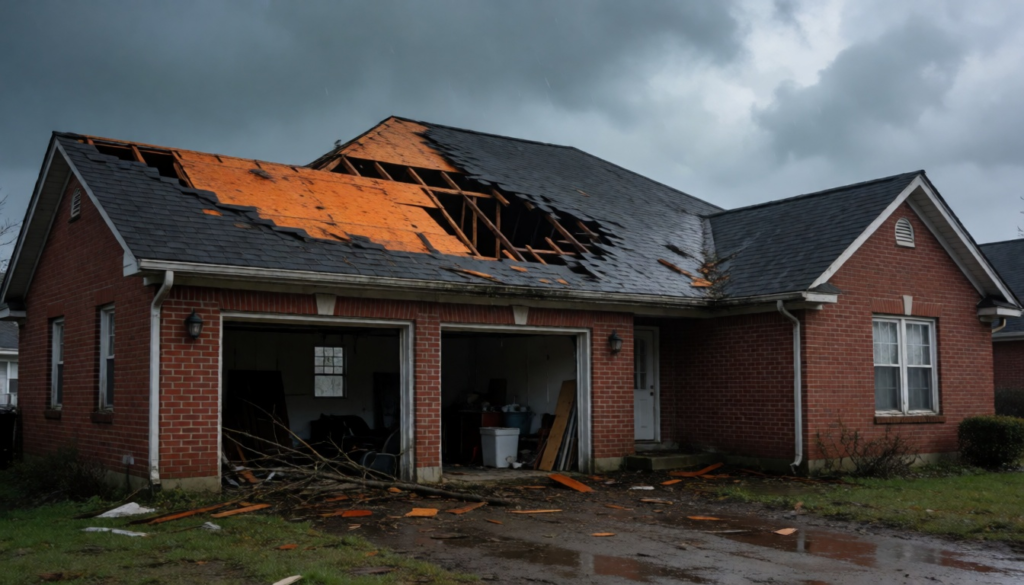
Taking practical steps soon after a storm can help you protect your property and keep useful records. Prioritize safety, especially if there are downed power lines, unstable trees, or structural damage.
1. Check for immediate safety concerns
Stay away from downed power lines and damaged electrical equipment. If a tree has fallen on the home, or if you notice sagging ceilings or other signs of structural instability, keep people away from the affected area and contact the appropriate emergency or utility service.
2. Look for damage from a safe location
When conditions are safe, walk around the property and look for visible debris, damaged gutters, or roofing materials on the ground. You may also check the attic or upper rooms for water intrusion if the area is safe to enter. Avoid climbing a ladder or stepping onto the roof.
3. Take photographs and make notes
Document what you can see from safe locations. Photograph roof debris, visible exterior damage, water stains, and damaged belongings. Note the date of the storm and when you first noticed the problem. Clear records may be useful when discussing next steps with a roofing professional or your insurance company.
4. Limit additional interior damage if safe
If water is coming inside, move belongings away from the affected area when it is safe to do so. Use a container to catch drips and protect furniture or flooring. Do not touch wet electrical fixtures, and do not enter a room if the ceiling appears unstable. Leave roof repairs and hazardous cleanup to qualified professionals.
5. Contact a roofing professional
A roofer can assess the visible condition of the roof, look for storm-related issues, and explain what repairs may be appropriate. If you are in Reading or nearby, contact Economy Roofing PA for storm damage roofing help to discuss your property and arrange a conversation about the next steps.
6. Contact your insurance company if needed
If you believe the damage may be covered by your policy, contact your insurer and ask what documentation or inspection steps they require. Keep copies of photographs, estimates, and correspondence. Coverage depends on the specific policy and circumstances, so confirm details directly with your insurer.
Why Prompt Roof Attention Matters
Even a small opening can allow water to reach roof decking, insulation, ceilings, or walls. If moisture remains, the damage may spread beyond the original area and become more disruptive to address. A prompt inspection can help identify visible problems and clarify whether repairs are needed.
Fast action does not mean rushing into a contract before you understand the proposed work. Ask questions, review the scope of work, and make sure you understand what is included. A clear discussion can help you make an informed decision about your roof.
Choosing a Storm Damage Roofer in Reading, PA
After a major storm, many homeowners begin looking for roofing help at the same time. Take a moment to choose a contractor carefully. Consider these practical steps:
- Ask how the contractor will inspect the roof and explain the findings.
- Request a written description of recommended work.
- Clarify what materials and areas are included in the estimate.
- Ask who to contact with questions during the project.
- Review any agreement before signing and keep a copy for your records.
- Be cautious of high-pressure sales tactics or promises that sound guaranteed.
A roofing contractor should be able to explain the observed damage and the proposed next steps in straightforward terms. If something is unclear, ask for clarification before proceeding.
Storm Damage Roofing Services in Reading and Berks County
Roof damage can affect homes and commercial buildings differently. A residential roof may have shingles, flashing, vents, and gutters to assess. A commercial roof may have a different roofing system and drainage layout. In either case, it helps to work with a roofing company that serves the local area and can discuss the needs of your specific property.
Economy Roofing PA provides residential and commercial roofing services throughout Reading, Berks County, and surrounding Pennsylvania communities. With over 50 years of experience, the company is a local option for property owners seeking roofing assistance after severe weather.
To discuss a storm-damaged roof, call 610-372-4480 or visit Economy Roofing PA.
Frequently Asked Questions About Storm Damage in Reading, PA
How can I tell if my roof has storm damage?
Look for missing or displaced shingles, roof debris, damaged gutters, dents on exposed roof components, or water stains inside your home. Some damage is difficult to see from the ground, so a professional inspection may be helpful after a significant storm.
Should I get on my roof to check for damage?
No. A roof can be slippery, unstable, or unsafe after severe weather. Check from the ground and from safe indoor locations instead. Leave roof access and inspection to a qualified professional.
What should I do if my roof is leaking after a storm?
Keep people away from areas with sagging ceilings or electrical hazards. If it is safe, move belongings and place a container under a drip. Document the damage and contact a roofing professional. If you suspect structural or electrical danger, seek appropriate emergency assistance.
Does every storm require a roof inspection?
Not necessarily. But if you see debris, missing materials, water stains, or other signs of damage—or if severe weather affected your area—a professional assessment can help you understand the roof’s condition.
Who can I call for storm damage roofing in Reading, PA?
Property owners in Reading and surrounding Berks County communities can contact Economy Roofing PA at 610-372-4480 to discuss residential or commercial roofing needs.
Get a Clear Next Step for Your Storm-Damaged Roof
When severe weather hits Reading, the first priority is safety. Once conditions are safe, check for visible signs of damage, document what you find, and arrange professional help if you suspect the roof has been affected. Addressing concerns promptly can help you understand the condition of your roof and decide what to do next.
For roofing assistance in Reading, Berks County, and nearby Pennsylvania communities, contact Economy Roofing PA for storm damage recovery. Call 610-372-4480 to discuss your property and roofing concerns.
Leave a Reply